About the temple
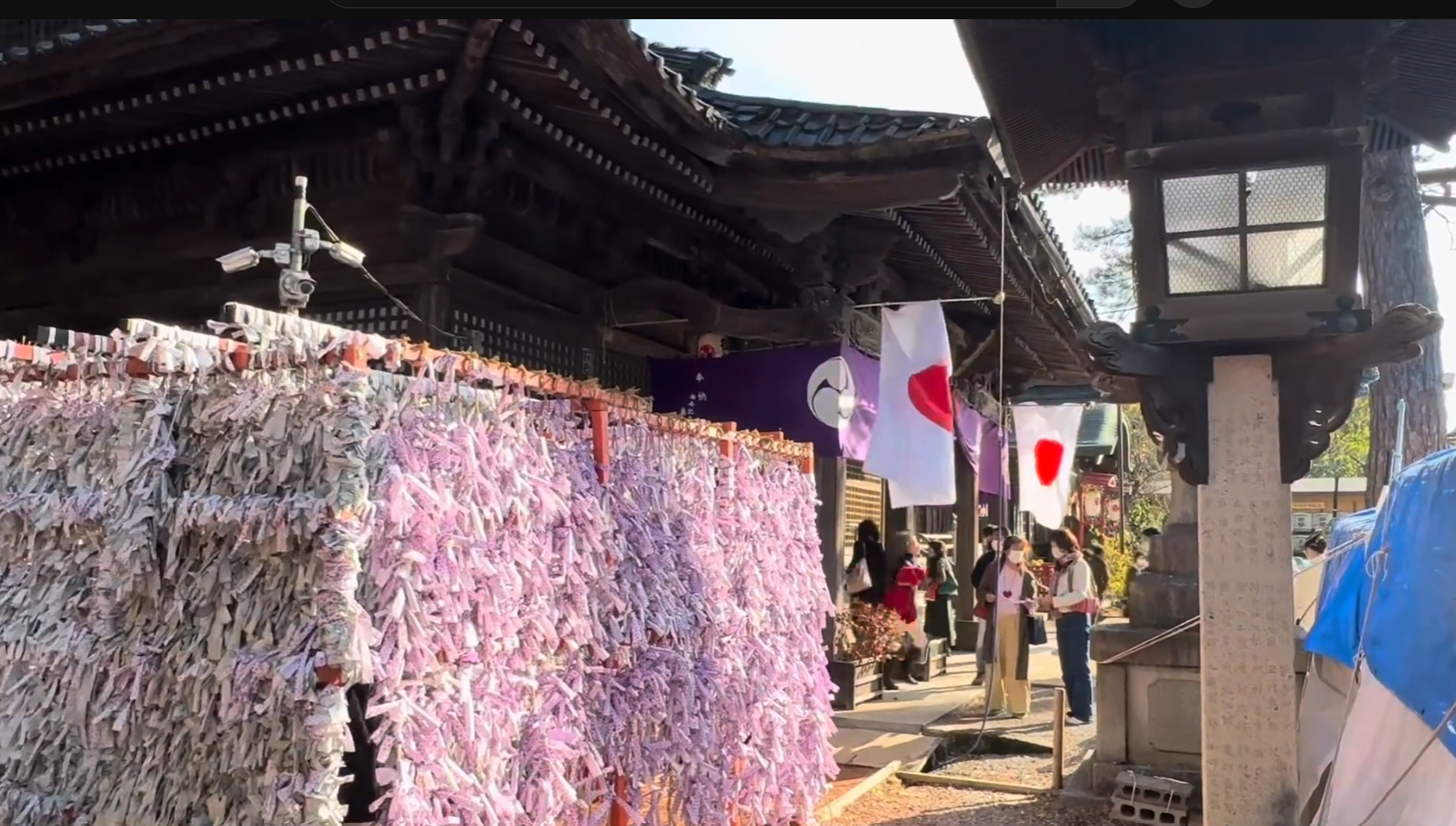
Ishiura Jinja is one of the oldest and most fascinating shrines in Kanazawa, a place where millennia-old history meets surprisingly modern and colorful charm. Considered the oldest shrine in the city, with origins dating back to the Kofun period (around the year 547), this Shinto shrine is located in a privileged spot, right in front of the 21st Century Museum of Contemporary Art and steps from the entrance to Kenrokuen, the famous landscape garden. Its path of 101 vibrant red torii gates, its multicolored lanterns, and its polka-dotted pink charms create a cheerful and photogenic atmosphere that contrasts with the traditional solemnity of many Japanese shrines. However, beneath that pop appearance lies a deep devotion: it is a powerful spot for en-musubi (union of destinies), especially popular among women and couples seeking to find love or strengthen their relationships. The combination of its long history as a protector of the region and its current vitality makes it a place where Kanazawa's past and present coexist in a natural and charming way.
History
According to tradition, Ishiura Jinja was founded around the year 547 in the Kofun period, initially as Miwa Jinja (三輪神社), in honor of Ōmononushi no Ōkami (also known as Ōkuninushi), the main deity associated with the creation of the land and en-musubi. It was originally located in the Ishiura area (now near Longtown or nearby zones) and served as the ujigami (protective god) of the seven villages of Ishiura-gō. During the Nara period, shinbutsu-shūgō syncretism occurred, and the shrine became known as Ishiura Sannō or Ishiura Daigongen, with an adjacent Buddhist temple (Ishiura-zan Jikō-in Hase-dera). It survived fires and conflicts, including destruction during the Ikkō-ikki rebellion in the 16th century, and was rebuilt several times. In the Edo period it changed location and received support from local lords. After the Meiji Restoration and the order for separation of Shinto and Buddhism (shinbutsu bunri) in 1868-1870, it regained its current name of Ishiura Jinja, taking it from the ancient region. It was moved to its present location in 1880 (Meiji 13). Throughout the centuries it has been revered by local inhabitants and by the daimyō of the region as a spiritual protector, and today it maintains its status as one of the most beloved places in Kanazawa.
🎴 Curiosities
Ishiura Jinja is famous for its power for en-musubi (union of destinies and love), which is why it especially attracts young women and couples; many come to pray for finding a partner or for harmonious relationships
It features a path of 101 vibrant red torii gates (built in the Reiwa era), a tunnel of omikuji with dozens of different fortunes (up to 17 unique varieties) and multicolored lanterns that create a magical and highly Instagrammable atmosphere
Its charms (omamori) are especially adorable: many with pink polka-dot designs or hearts, and there are over 40 color varieties. The ema also often have romantic motifs
It has a cute mascot called **Kima-chan** (きまちゃん), a character with a traditional hat inspired by the expression “everything resolves in a round and harmonious way” (maruku kimaru), which appears on many souvenirs
The shrine is surrounded by more than 250 protected trees, giving it a green and serene atmosphere even in the heart of the city. Hydrangeas stand out in summer
In addition to love, prayers are offered for happy marriage, safe childbirth, business prosperity and general protection. Historically it was the protective shrine of the Ishiura area
In the precinct there is a festive atmosphere with chairs and tables under the lanterns, inviting visitors to rest and enjoy the place as a living space and not just a passing one
Although its history is ancient and solemn, Ishiura Jinja stands out for its effort to connect with today's public: it is one of the most “pop” and accessible shrines in Japan, without losing its spiritual essence