About the temple
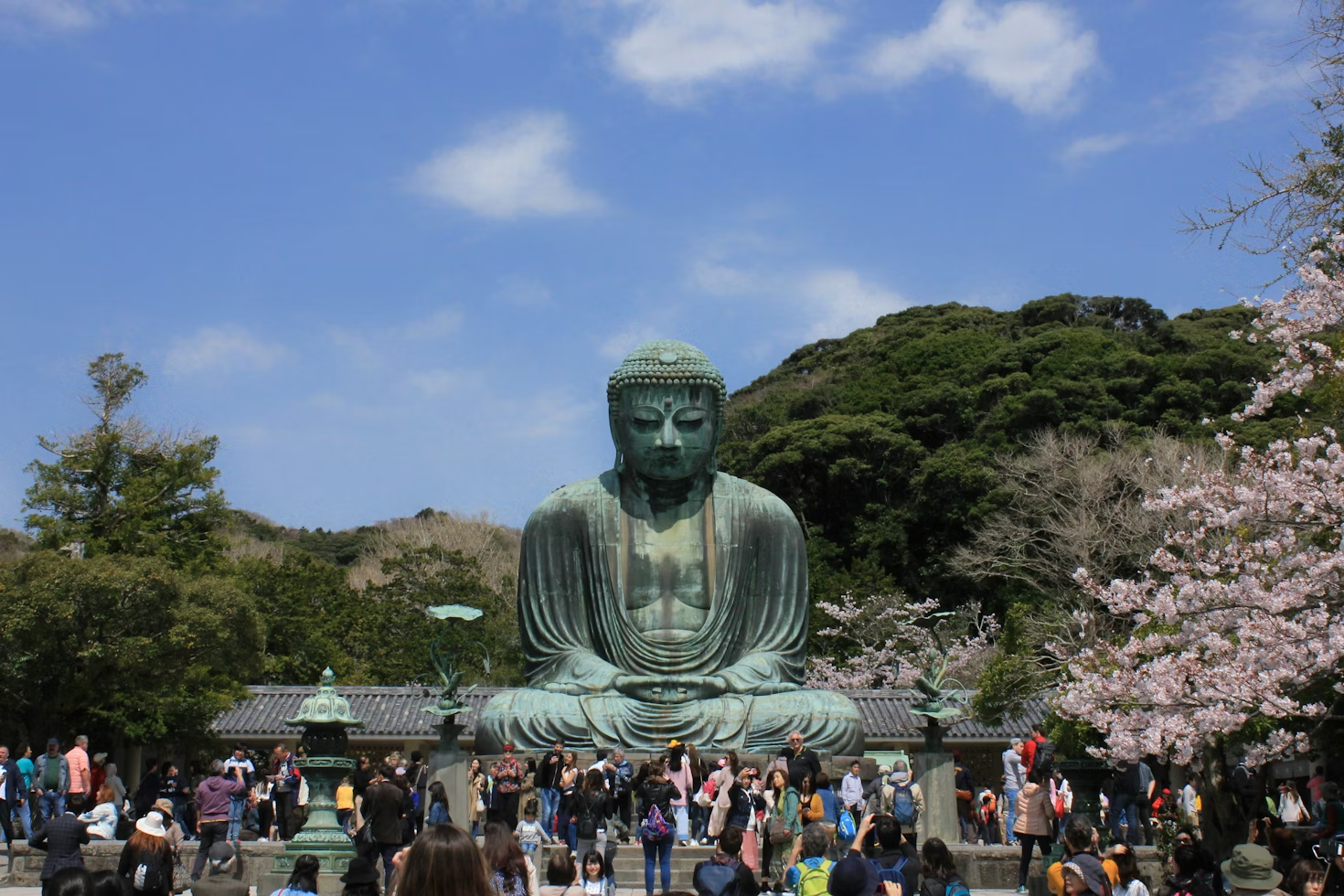
Kotoku-in, known worldwide for housing the Great Buddha of Kamakura (Kamakura Daibutsu), is one of the most iconic and serene places in Japan. Located in the quiet Hase district of Kamakura, this Jodo-shū sect temple features a monumental outdoor image of Amida Nyorai (Amitabha Buddha) sitting in the open air, without any building to shelter it. With its eyes half-closed in meditation and an expression of infinite compassion, the Daibutsu seems to contemplate the passage of time with a calmness that transcends the centuries. Surrounded by green gardens and mountains, the contrast between the imposing bronze figure and the nature enveloping it creates an atmosphere of profound spiritual peace. It is a place where devotion to Pure Land Buddhism —salvation accessible to all— manifests in its purest and most resilient form, having survived typhoons, earthquakes, and tsunamis for nearly 800 years.
History
The history of Kotoku-in and its Great Buddha dates back to the Kamakura period. According to tradition, a first wooden statue was completed in 1243 thanks to donations from Lady Inada no Tsubone (a servant of Minamoto no Yoritomo) and the monk Jōkō. This wooden statue was damaged by a storm in 1248, leading to the decision to cast a new bronze version. Construction of the bronze Daibutsu began around 1252 (4th year of the Kencho era), as recorded in the Azuma Kagami chronicle. The statue, dedicated to Amida Nyorai, represents faith in the Pure Land (Jodo), where anyone can be reborn by reciting the nenbutsu (“Namu Amida Butsu”). It was originally housed inside a large hall (Daibutsu-den), but this building was repeatedly destroyed by typhoons, earthquakes, and a devastating tsunami in 1498. Since the late 15th century, the Great Buddha has remained outdoors, symbolizing Buddhist impermanence and the resilience of faith. In the Edo period the temple was revived by Jodo sect monks, and in 1958 the statue was designated a National Treasure of Japan. Although Kamakura has been proposed for UNESCO World Heritage status, the Daibutsu remains one of the most beloved icons of Japanese Buddhism.
🎴 Curiosities
The Great Buddha measures 11.31 meters in height (13.35 m including the base) and weighs approximately 121 tons. It is Japan's second tallest bronze Buddha statue (after the one at Todaiji in Nara) and is hollow inside: for just 20 yen you can enter and see the 13th-century casting technique
Originally the statue was covered in gold leaf; small traces are still visible on the right cheek
The facial expression is famous for its beauty: the poetess Yosano Akiko described it as “a handsome man” in one of her poems, and there is a stone with her tanka in the precinct
The Daibutsu has survived multiple natural disasters without protection for over 500 years, which devotees interpret as a manifestation of Amida’s unlimited compassion
Inside you can see the bronze piece joints and explanatory plaques about its construction. Many visitors have left historical graffiti on the inner walls
Next to the statue there is a pair of huge straw sandals (waraji) that symbolize protection for travelers and the wish for strong legs
The temple belongs to the Jodo-shū sect, founded by Honen, which teaches that anyone —regardless of status— can attain salvation by reciting Amida’s name
The slightly hunched silhouette (cat-back) is typical of the Kamakura period artistic style, which sought greater realism and emotional closeness with devotees
During World War II bells and metal objects were removed, but the Daibutsu remained intact
Kotoku-in is especially magical at sunset or on light rainy days, when the moisture makes the bronze shine and the atmosphere becomes even more contemplative