About the temple
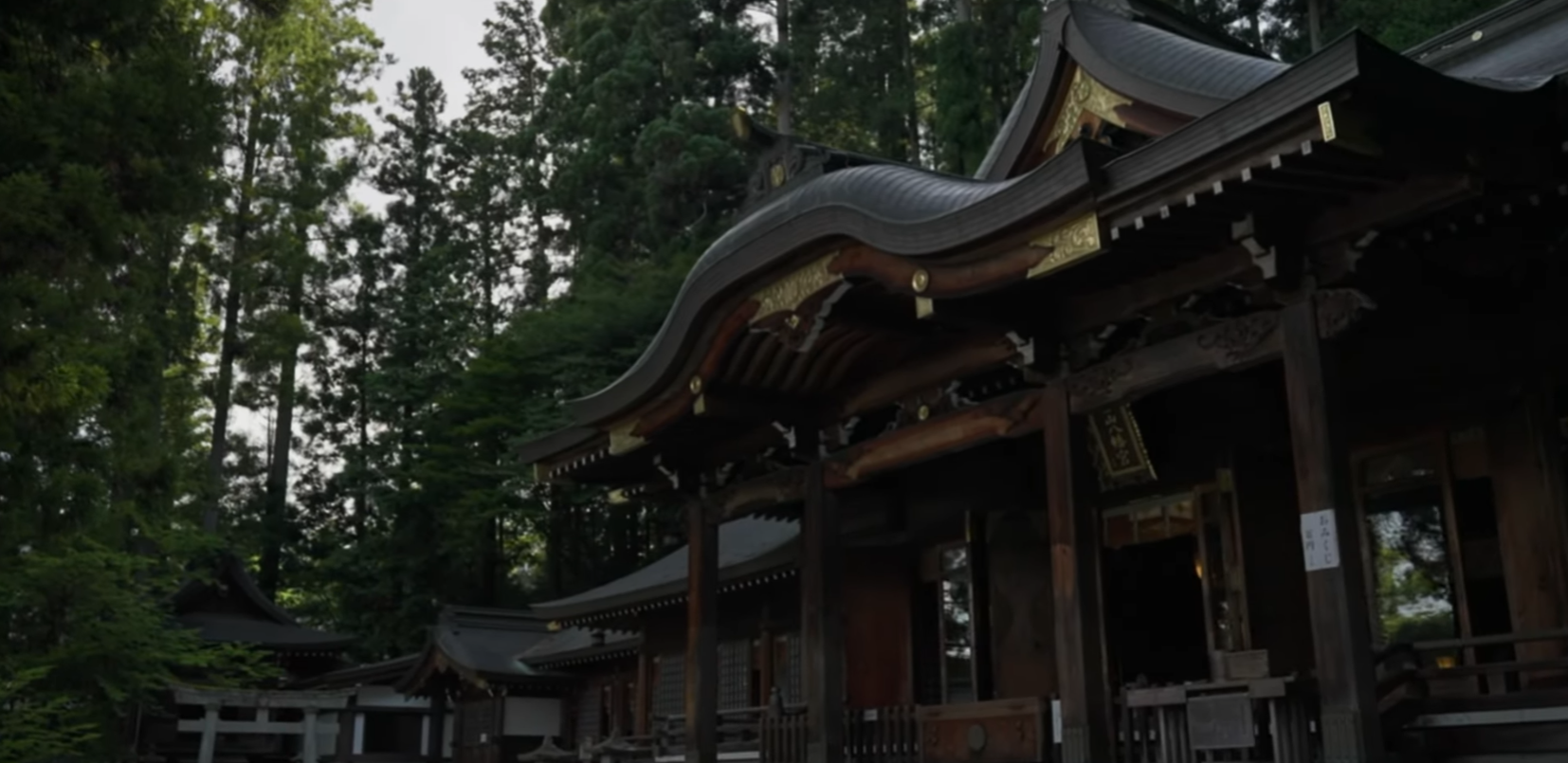
Sakurayama Hachimangu is the oldest and most revered Shinto shrine in Takayama, a place steeped in legendary history that has protected the spirit of the Hida region for over 1,600 years. Located on a gentle hill surrounded by ancient cedars, this shrine dedicated primarily to Emperor Ōjin (identified with Hachiman, the god of war and protection) offers an atmosphere of profound serenity and connection with Japan's mythical past. From its stone steps one can contemplate the old town of Takayama, and its precinct transforms every October into the vibrant heart of the Takayama Matsuri, when the magnificent yatai (festival floats) parade in all their splendor. It is a power spot where ancestral devotion, legends of warriors and monsters, and the beauty of the Hida mountains merge into an authentic and moving spiritual experience.
History
The history of Sakurayama Hachimangu dates back to the reign of Emperor Nintoku (4th-5th century), around 377-439. According to legend recorded in the Nihon Shoki, Prince Takefurukuma-no-mikoto (ancestor of the Wani clan) was sent to Hida to subdue the fearsome Ryōmen Sukuna, a mythical being with two heads, four arms, and four legs who terrorized the population. Before the battle, Takefurukuma-no-mikoto venerated the spirit of his father, Emperor Ōjin (Hachiman), in this sacred place on the cherry mountain (Sakurayama) to pray for victory. Later, during the Nara period, the cult of Hachiman spread and the shrine was consolidated. In the Edo period, the feudal lord Kanamori Shigeyori protected and expanded it in 1683, making it the official protector of Takayama. In 1873 it suffered a great fire that destroyed almost all the buildings (except the Akiba sub-shrine), but it was faithfully rebuilt. The current buildings, made of pure hinoki (Japanese cypress), date from the reconstruction in the 1970s-1980s. Today it is an important shrine and receives more than one and a half million visitors a year.
🎴 Curiosities
Sakurayama Hachimangu is the oldest shrine in Takayama and is closely tied to the legend of Ryōmen Sukuna, the two-faced monster defeated thanks to Hachiman's divine protection
It is the spiritual center of the famous Takayama Matsuri (autumn), one of Japan's three most beautiful festivals. The 12 yatai (festival floats) are stored in the adjacent Yatai Kaikan and parade from here during the festival
It is said that in ancient times the precinct was filled with hundreds of cherry trees in bloom, hence its name “Sakurayama” (Cherry Mountain)
It offers special protection for victories, success in competitions, health, and general protection. There is a local tradition of offering beans or stones with holes to strengthen the teeth
The shrine was rebuilt several times after fires and wars; the current pure Japanese cypress buildings date from the Showa era and convey a sober and elegant beauty
In the precinct there is a “Kyōjin-seki” stone related to the Sukuna legend, and several sub-shrines such as Inari, Akiba, and Tenmangu
During Hatsumode (first shrine visit of the year) and the October festival, it receives hundreds of thousands of visitors, but on normal days it retains a tranquil and mystical atmosphere surrounded by ancient cedars
It is part of Takayama's deep identity: locals affectionately call it “Hachiman-sama” and consider it the guardian of the entire city
Next to the shrine is the Yatai Kaikan, where the beautiful festival floats with exquisite carvings and lacquer are displayed, designated as Important Cultural Property
It is an ideal place to feel the fusion between legendary history, popular faith, and the natural beauty of the Hida mountains